Should I drop a late-paying client? My honest answer
Should I drop a late paying client? Here's my take as a founder: when to keep them, when to walk, and the UK rules that back you up first.
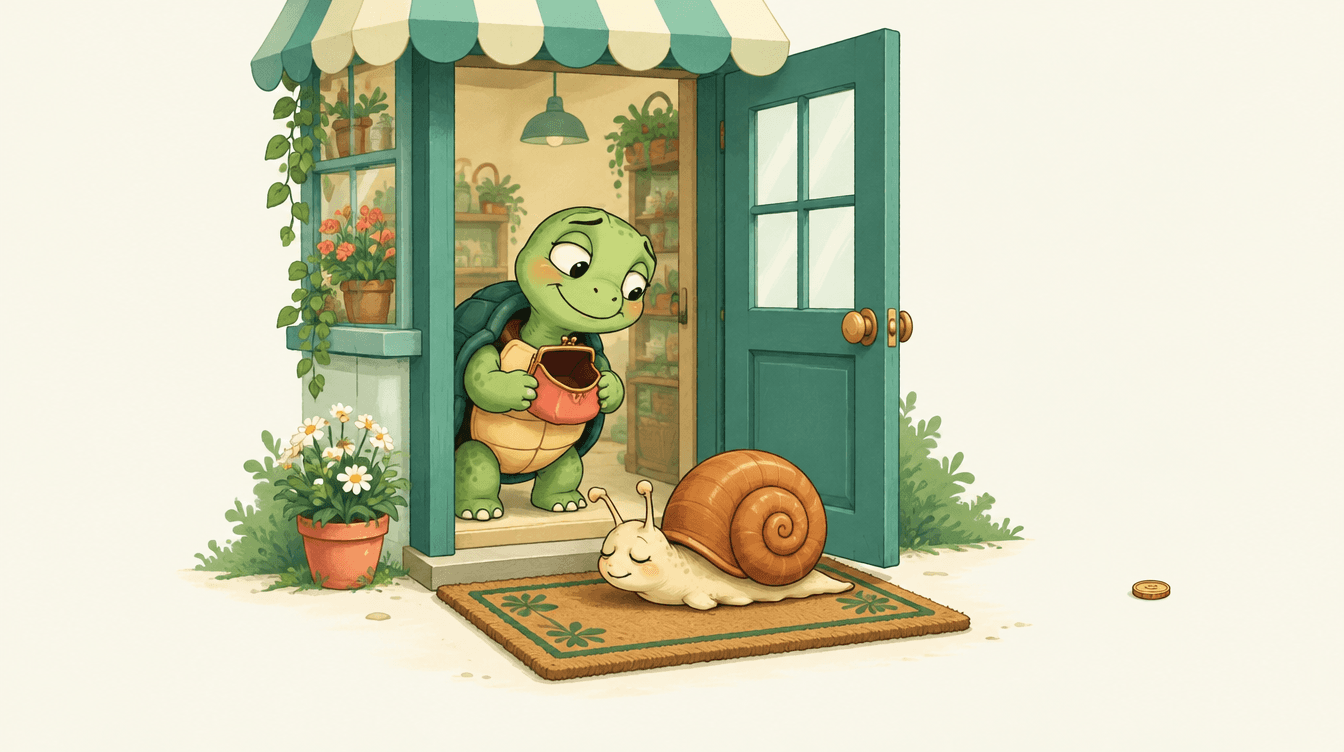
Every self-employed person has one. The client who is lovely, gives you regular work, and pays three weeks after they said they would. Every time.
So should you drop a late-paying client? My answer is: not straight away, but sooner than you think. Here's how I'd decide.
Why most of us keep them
It feels risky to say goodbye to income. A client who pays late is still a client who pays. And asking for your money can feel pushy, so we stay quiet and hope next month is different.
I get it. But look at what you're really doing. You're lending that client money, for free, with no contract for the loan. A tutor who waits a month for £400 has given the client a £400 loan. You'd never offer that on purpose.
The rules are on your side more than you think
Many people don't know they can charge for late payment. GOV.UK says you can claim interest and debt recovery costs if another business is late paying for goods or a service. Note the word business. These rules cover business customers, not private individuals.
GOV.UK also explains when a payment counts as late. If you agreed a payment date, it must usually be within 60 days for business transactions. If you didn't agree a date, the payment is late 30 days after the customer gets the invoice, or after you deliver the goods or service, whichever is later.
On top of interest, GOV.UK lists a fixed recovery fee for each late payment:
- £40 for debts up to £999.99
- £70 for debts from £1,000 to £9,999.99
- £100 for debts of £10,000 or more
You can only charge it once per payment. I wrote about the full maths in late payment interest UK: what you can charge.
Will you use it on a good client? Maybe not. But knowing it exists changes the conversation. You're not begging. You're applying a rule.
My test: three questions
Before I'd drop anyone, I'd ask these.
- Is it a pattern or a one-off? Everyone has a bad month. Three late invoices in a row is a pattern.
- Do they tell you? A client who says "payment's delayed, it'll be Friday" is very different from one who goes quiet. Silence is the red flag.
- What does the work cost you? Add up the time you spend chasing. If you spend two hours a month on one client, that's real money. Our post on the real cost of chasing shows how it adds up.
If the answers are "pattern", "silence" and "a lot", I'd start walking away.
What to try before you walk
Don't jump from silence to a break-up. Try these steps first.
- Change the terms. Move to payment within 7 days, or ask for a deposit before the work starts. I think taking a deposit fixes more problems than any reminder does.
- Invoice sooner. Late invoices get paid late. See when to send an invoice.
- Make paying easy. If they have to find your bank details, they'll put it off. A link they can tap from their banking app is much harder to ignore.
- Say it plainly. "From next month my terms are 7 days. Happy to keep working together on that basis." No apology needed.
Most clients accept this. The ones who don't have told you something useful.
When I'd walk
I'd stop working with a client if any of these are true:
- They've ignored the new terms twice.
- They stop replying to messages about money, but reply fast to messages about work.
- The unpaid amount is growing, and you keep adding more work to it.
- You've started to dread opening their messages.
That last one matters more than it sounds. Stress is a cost too, even if it's not on the invoice.
Don't leave the door slammed, though. Finish what's already paid for, send a short message, and keep a record. Something like: "I won't be able to take new work until the outstanding invoice is cleared." That's fair, it's calm, and it's easy to point back to later.
One more thing: it's a business decision
Dropping a client isn't personal. It's the same as a shop that stops giving credit to someone who never pays the tab. You're not being harsh. You're running a business that has to pay its own bills on time.
Say you earn £2,000 a month from three clients. One of them, at £600, pays 30 days late each time. Your monthly cash flow is always £600 short for a month, and you're covering that from your own pocket. Replacing that client with one who pays on time is worth more than the £600 headline suggests.
I'm building Vcents so that this gets easier. You ask for money in WhatsApp, the customer gets a payment link, and they pay from their bank app. It doesn't make anyone pay, but it takes away the excuse that it was hard to do.
Sources
- GOV.UK: Late commercial payments: interest and debt recovery, accessed 2 November 2026
- GOV.UK: Claim debt recovery costs on late payments, accessed 2 November 2026
About the author · Drafted with AI help, then published by Vince, who answers for every piece. Figures come from the primary sources linked in each article. Spot a mistake? Tell us on WhatsApp and we fix it.
Read next
- Card payment fees for small business UK: what you pay · Payment methods
- Should I offer a discount for early payment? · Late payment
- Late payment statistics for UK sole traders · Late payment
- Late payment interest UK: what you can charge · Late payment
Stop chasing the same clients by hand.
Vcents sends the reminder on WhatsApp for you, and tells you the moment the money lands in your bank.
How receiving payments works